Long ago, the terp was a ‘safe haven’: it protected its inhabitants from the waves – the baren – of the Middelsee. This hill of clay was built by human hands in a landscape where nature had free rein. During Arcadia in 2022, we dug into that same clay, searching for the stories of today’s terp dwellers. Who lives in this centuries-old landscape, and what do these people care about? De Baren brings together questions from today and knowledge from history. With the key question: is the terp still a safe haven?
The terp Nijehove was filled during Arcadia 2022 with visual art, artistic performances and a route that led you past the past, present and future.
‘Genius loci? ➞Vox populi = vox dei!’
Visual artist B.C. Epker also contributed, in his own remarkable way, to the excavation of the terp Nijehove with the project ‘Genius loci? ➞Vox populi = vox dei!’

He set out to uncover and record the life stories of residents. The people of Nijehove were also invited to join workshops, discovering together what characterises today’s terp dwellers. Epker also worked with a number of cultural historians to research historical wall patterns on the terp. The artistic results of this project were on show in an exhibition during Arcadia 2022.

SUPERNATURE X ARCADIA
‘for the queer and the curious’
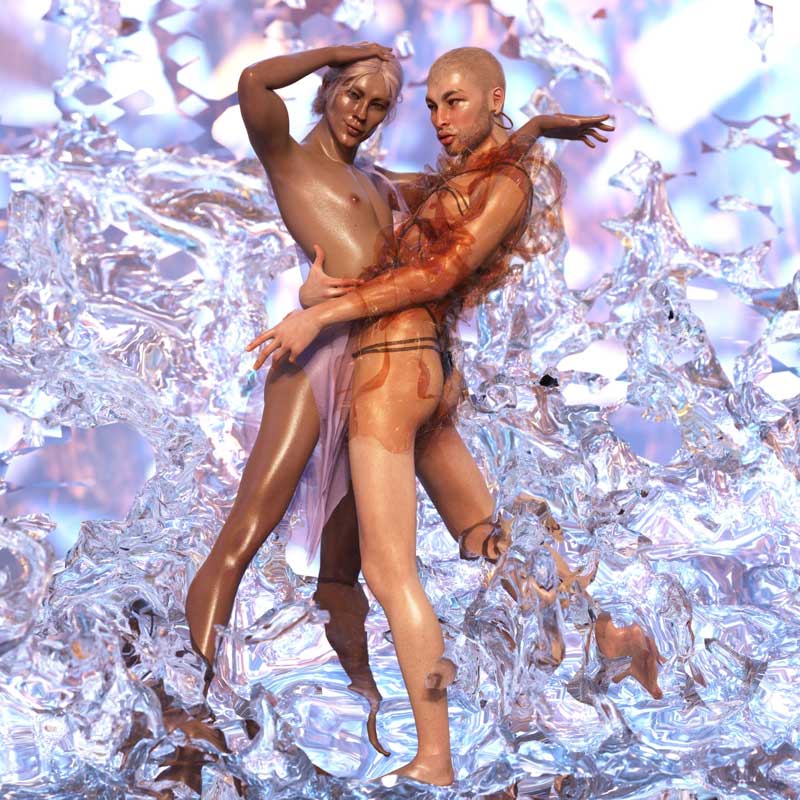
The collective SUPERNATURE also settled on the terp Nijehove: a historical safe haven. A place where people lived to feel safe. From a queer perspective, Supernature strives for a life of total freedom and safety, for everyone. Through artistic projects, Supernature wants to introduce as many people as possible to the LGBTQ+ community and its diversity. Everyone with an open mind and a curious attitude is welcome to help create a manifesto, which is also written in Liwwadders (the Leeuwarden dialect). Like the audiovisual project FUTURHYTHM, this was presented in Art Cantina Spoonk. The project closes with a Supernature event with DJs and performers. Are you curious?

DANSPARADE (Dance Parade)
Poetry in line
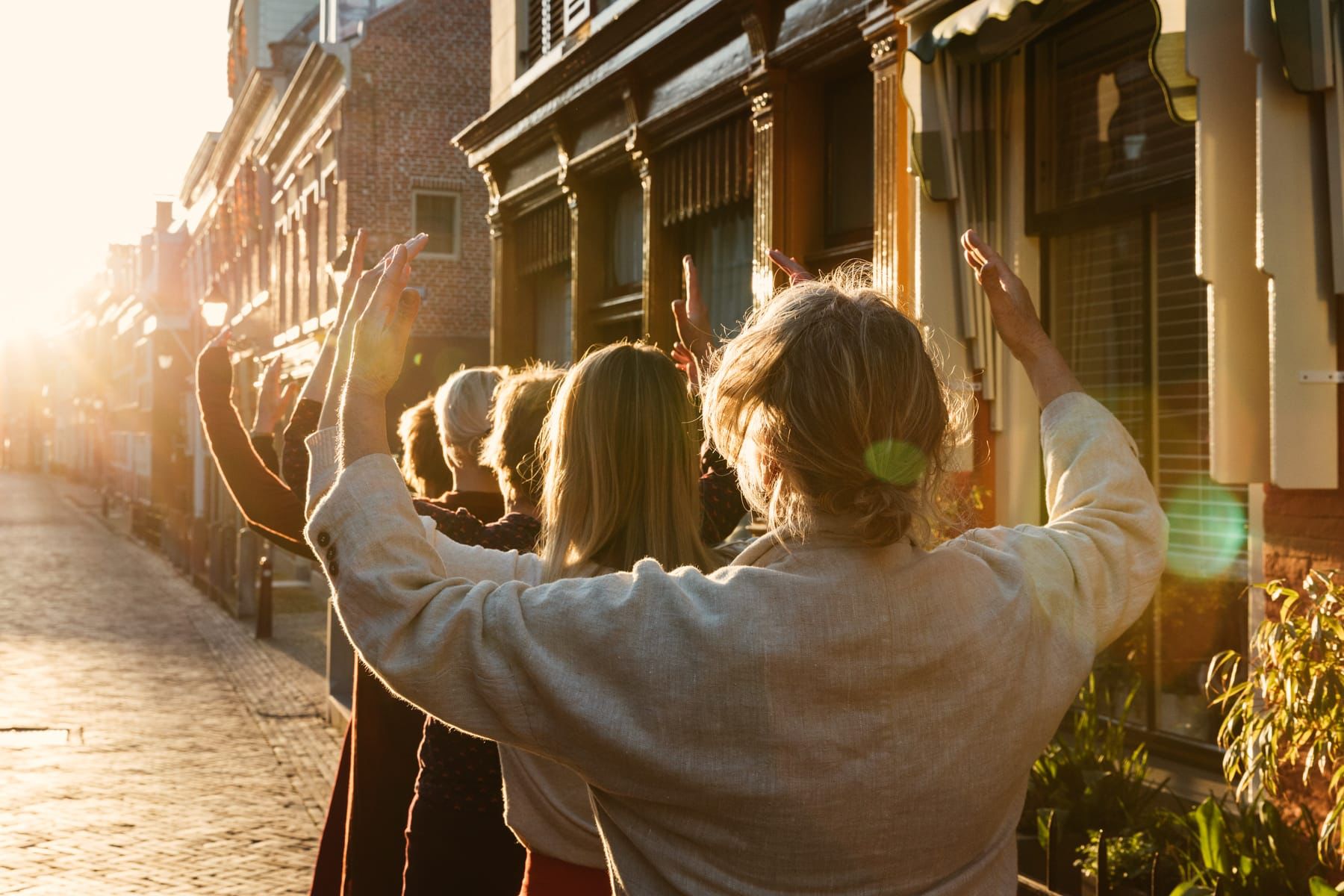
A colourful procession of terp dwellers, schoolchildren and dancers. This dance project is inspired by dance icon Pina Bausch’s famous ‘Nelkenline’ (Carnation Line) – and moves through the streets of the terp. The dance of four simple, successive movements looks very simple. But the poetic movements stand for four things that, in the eyes of residents, are characteristic of life on their terp. Like one big human ribbon – a long string of dance, movement and music – the dancers show who they are and what they stand for. Choreography by Jenny Nijkamp and Mirjam van Duin. Sound design by Phil Mills.

Face of the terp
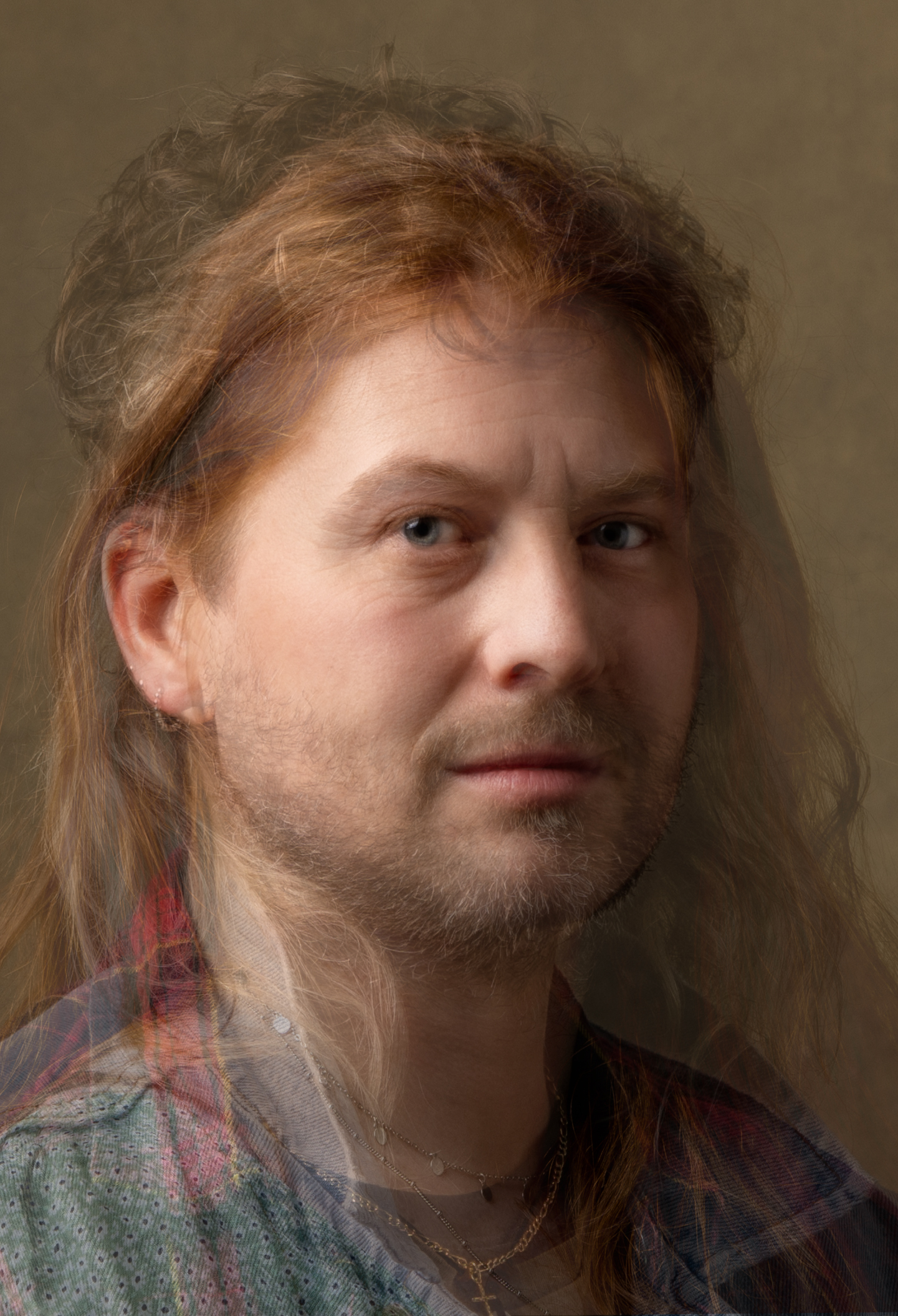
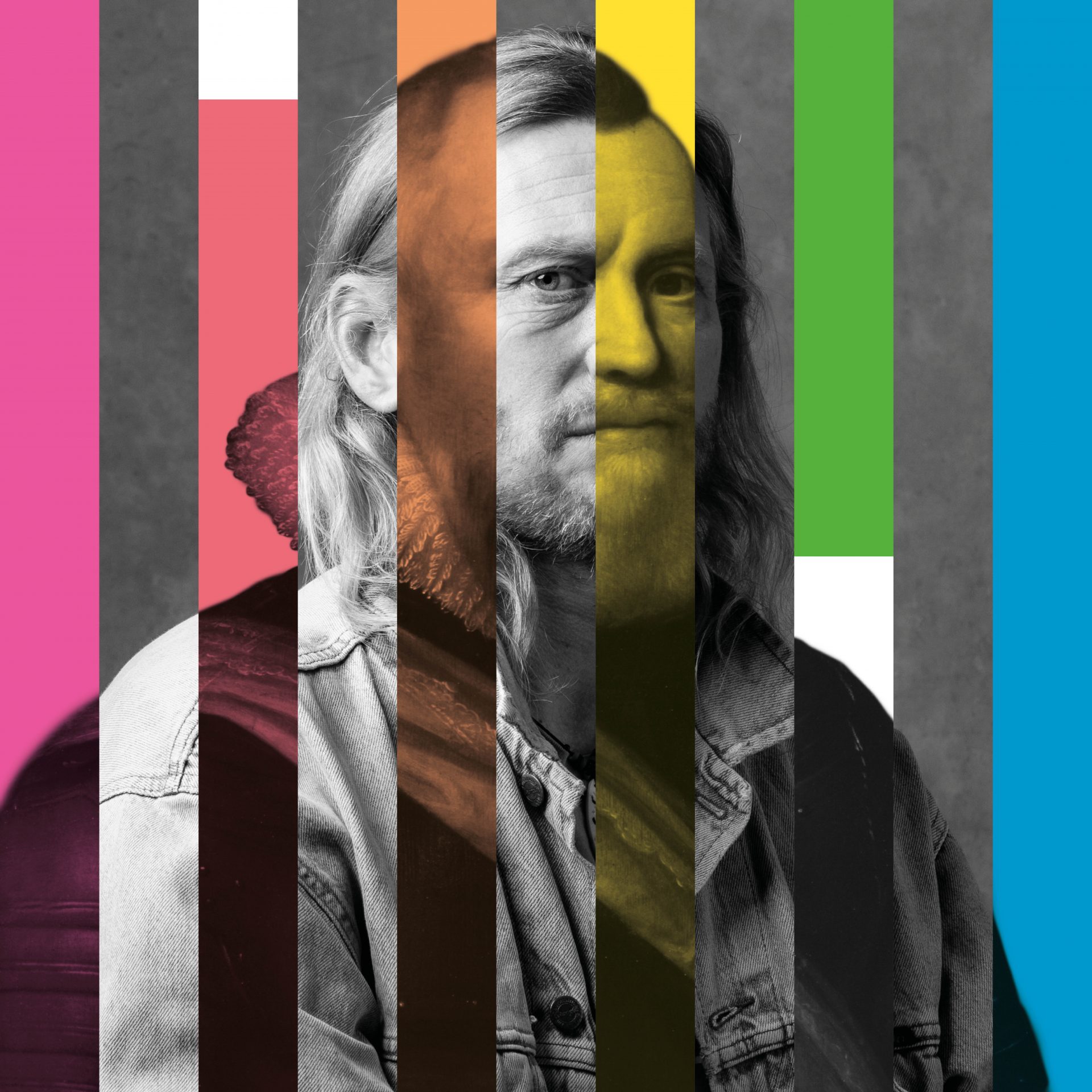
With an audiovisual installation, visual artist Hein de Graaf showed the face of the terp Nijehove. A man, a woman, or neither. With the identity of hundreds. How are they different? How are they alike? Are they even different at all? The ultimate fusion: the essence of all terp dwellers, in which colour, age or gender can no longer be told apart.
The photographed portraits of Nijehove’s residents were brought together into an artistic accumulation of faces – an audiovisual construction of today’s Nijehove resident. Hein de Graaf worked on this project together with photographer Lucas Kemper.

For the latest information about the programme and more activities, visit: